01. Product Evaluation
Admitted as a research intern at the HCI Lab of Yonsei University, with coursework beginning in September.
Currently engaged in a two-month internship project as part of the pre-semester program, in collaboration with incoming master’s students and undergraduate research assistants.
Project Overview
The project centers on optimizing the service flow of AlzGuard, a digital therapeutic (DTx) and wellness application targeting individuals with mild cognitive impairment (MCI).
AlzGuard consists of four independent modules, collectively referred to as DN, where N denotes the test duration in minutes:
- D5 and D10: Wellness-oriented tools
D5: A short cognitive screening test (~5 minutes)D10: A more extended module combining assessment with personalized training
- D20 and D35: Clinical-grade modules for use in medical contexts
- Designed for diagnostic support, currently undergoing clinical evaluation
Each module was developed in isolation, resulting in several critical issues:
- Redundancy in test content
- Fragmented user experience
- Limited interoperability across services
The objective is to propose a cohesive and scalable service flow that integrates these modules into a unified user experience. Emphasis is placed on aligning wellness-stage tools (D5, D10) with clinical-stage tools (D20, D35) to ensure continuity of care.
Early Work
Initial efforts involved foundational research in three key domains:
- Policy trends in South Korea’s digital health ecosystem
- User segmentation strategies based on age, digital literacy, and health status
- Clinical and cognitive dimensions of MCI and dementia
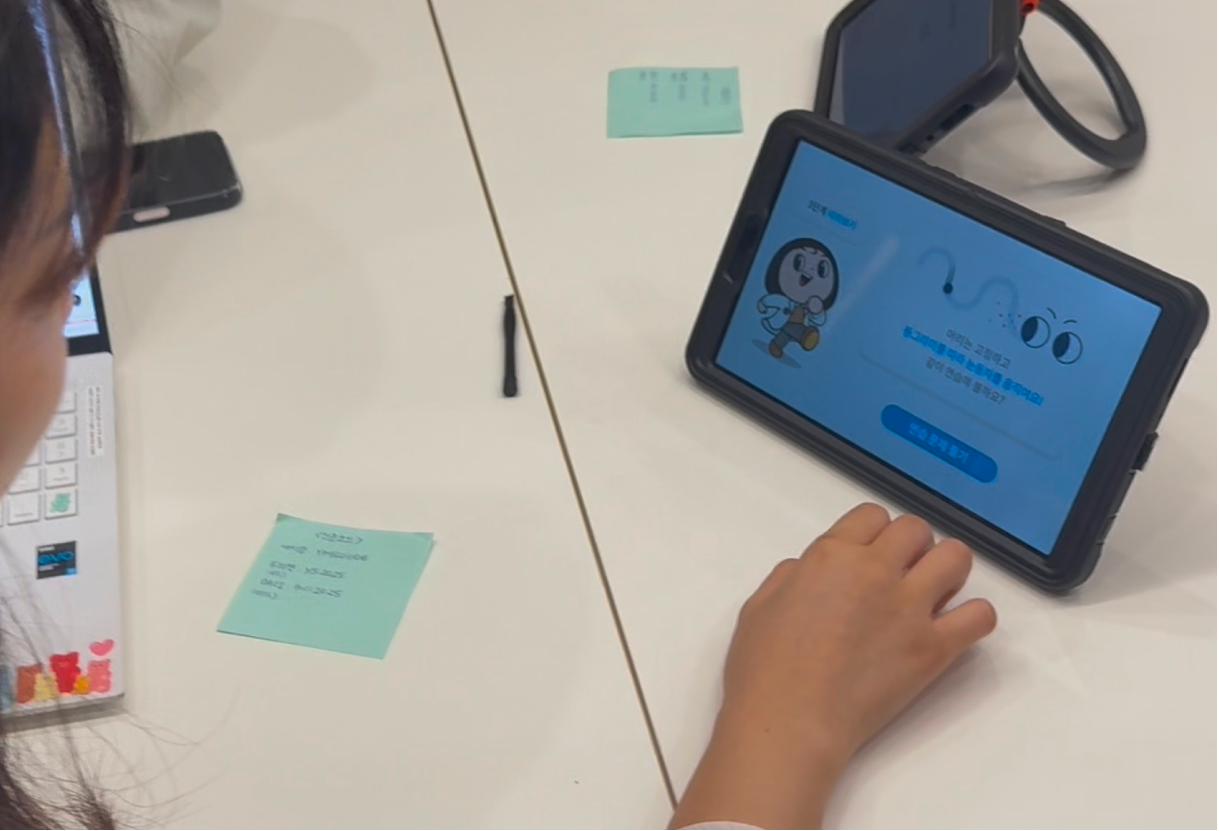
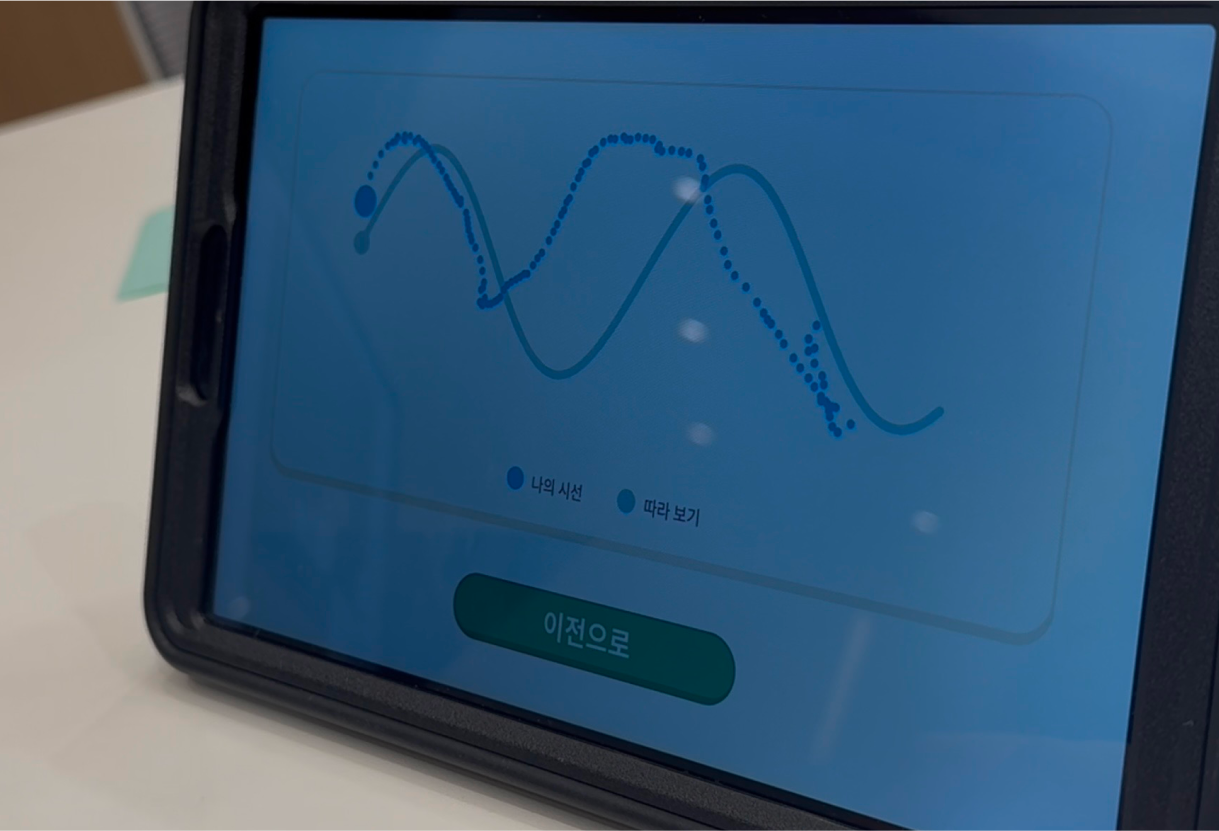
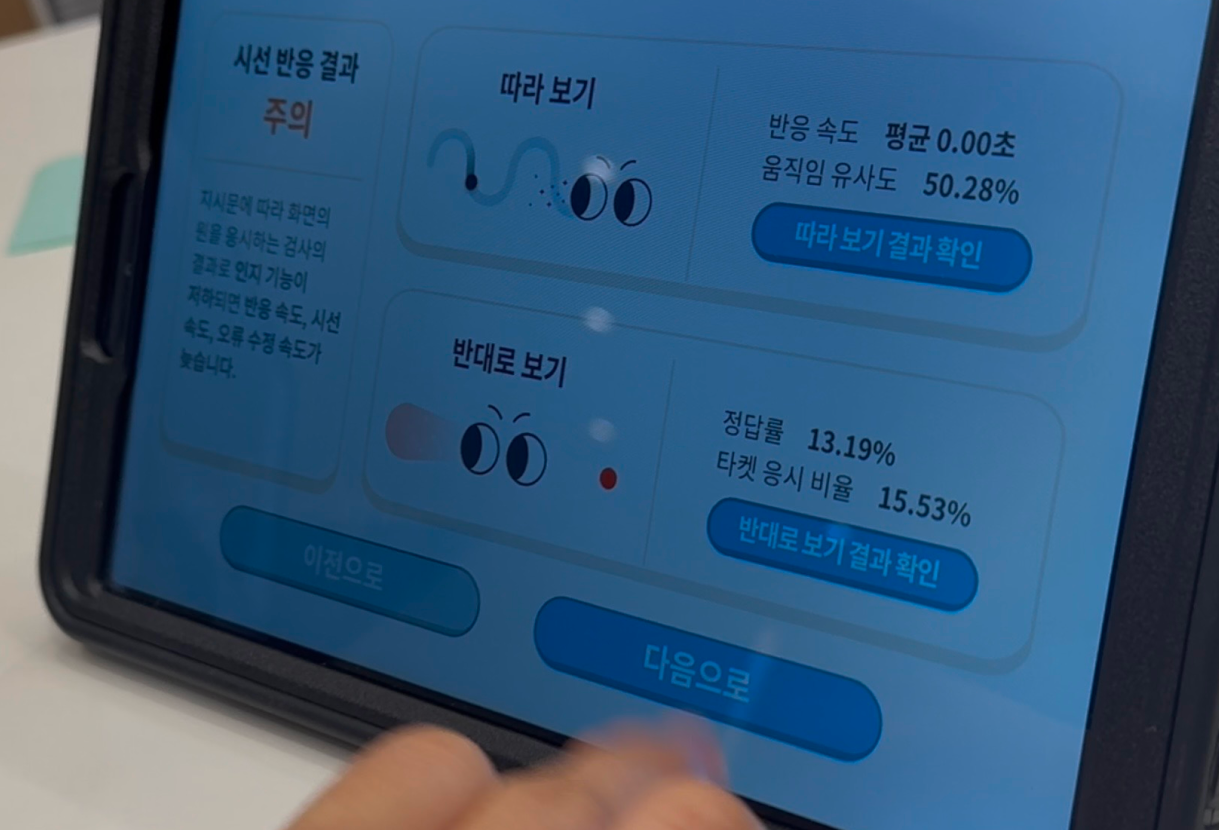
Product evaluation and structural analysis of DN modules (D5, D10, D35) were conducted using Galaxy Tab devices. Focus was placed on assessing flow logic, interface usability, and potential points of integration across modules.
Screenshots captured during testing
Key UI moments recorded during the evaluation phase:
This post is the first in a series documenting the progress of the project.